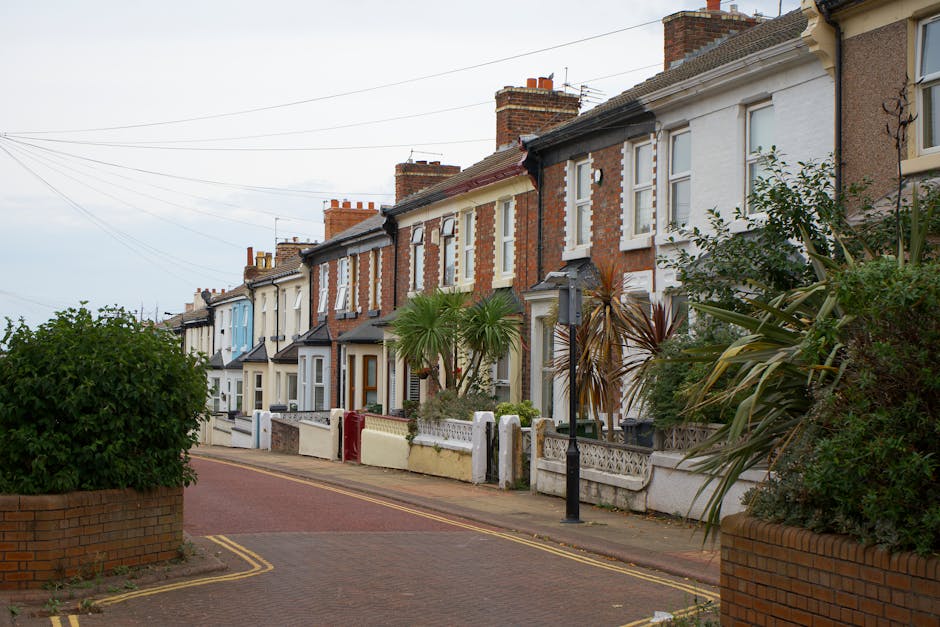
Kenton High Street garden maintenance for terraced homes

Kenton High Street garden maintenance for terraced homes is a very specific kind of gardening work, and that matters. Terraced homes often come with compact front gardens, narrow rear plots, shared boundaries, awkward access, and neighbours very close by. That changes everything. A tidy garden is not just about looks; it helps keep the space usable, safer underfoot, and easier to live with all year round.
If you have ever stood at the back door in early spring and thought, "Right, this needs sorting before it gets out of hand," you are not alone. Small gardens can become messy faster than larger ones, especially when hedges, lawn edges, paving, and planting all compete for the same limited square footage. This guide breaks down what practical garden maintenance looks like for terraced homes on and around Kenton High Street, how it usually works, what to watch for, and how to plan it properly without wasting time or money.
For a broader look at the kind of work involved, you may also find the garden maintenance service overview useful, especially if you are comparing ongoing upkeep with one-off tidy-ups.
- Why Kenton High Street garden maintenance for terraced homes matters
- How Kenton High Street garden maintenance for terraced homes works
- Key benefits and practical advantages
- Who this is for and when it makes sense
- Step-by-step guidance
- Expert tips for better results
- Common mistakes to avoid
- Tools, resources and recommendations
- Law, compliance, standards, or best practice
- Options, methods, or comparison table
- Case study or real-world example
- Practical checklist
- Conclusion
- Frequently asked questions
Why Kenton High Street garden maintenance for terraced homes matters
Terraced homes are different from detached properties in all the ways that make maintenance more sensitive. Space is tighter, privacy matters more, and a small issue can spread quickly. One overgrown hedge, a slippery patch of paving, or a neglected lawn edge can make the whole garden feel harder to use. On a busy street, it can also make the front of the home look untidy in a way that is hard to ignore.
Maintenance is not just about neatness. It is also about keeping the garden healthy and manageable. In a compact London garden, weeds can move in fast, moss loves shaded paving, and shrubs can grow into paths, fences, or the neighbour's side without much warning. A little regular work avoids the dramatic reset that tends to cost more time and effort later.
There is also the practical reality of access. Terraced homes often have side returns, rear entries, or shared passageways that make equipment handling a bit awkward. A maintenance plan has to respect those constraints. That means thinking about wheelbarrow access, storing tools safely, and choosing tasks that suit a smaller footprint. It sounds obvious, but it is often the difference between a garden that feels easy and one that always feels like a chore.
And let's face it, a well-kept garden changes how a home feels. You open the back door and instead of seeing a tangle of growth, you see space. Light. A place you would actually sit with a mug of tea for ten minutes before the day gets noisy.
Expert summary: In terraced homes, the best garden maintenance is usually light, regular, and well-prioritised. The goal is not perfection; it is control, usability, and a garden that never gets beyond you.
How Kenton High Street garden maintenance for terraced homes works
A good maintenance routine usually starts with a quick assessment of what the space needs right now, not what a generic garden checklist says it should need. That might include lawn care, hedge trimming, border tidying, weed removal, leaf clearance, pruning, or pressure-free checks on hard surfaces and edging. In a terraced setting, the layout matters as much as the plants.
Most maintenance visits follow a simple logic:
- Inspect the space. Look at access, growth level, problem areas, and anything that needs extra care.
- Clear the obvious clutter. Remove leaves, cuttings, dead growth, and any waste that blocks the working area.
- Deal with the main growth issues. Trim hedges, shape shrubs, mow lawns, edge borders, and cut back anything encroaching on paths or fences.
- Finish with tidying and presentation. Sweep hard surfaces, neaten borders, and make the space feel finished rather than just "cut down."
- Dispose of waste properly. Green waste should be handled responsibly, with recycling or composting considered where practical.
If the garden has become seriously overgrown, a maintenance visit may be paired with a more intensive reset. In that case, a garden clearance service can help before normal upkeep begins again. That is often the cleaner, saner route. Truth be told, trying to maintain a garden that really needs clearing can be like mowing around a pile of laundry. Pointless, and a bit frustrating.
For homes with hedges that press against walkways or block light, targeted trimming is often part of the routine too. The dedicated hedge trimming page explains this type of work in more detail, but the short version is simple: regular shaping keeps things under control and stops a hedge becoming a nuisance.
Key benefits and practical advantages
The obvious benefit is visual. A tidy garden instantly improves the look of a terraced home. But the real value goes deeper than that.
- Better use of limited space. In small gardens, every square metre matters. Maintenance keeps routes clear and seating areas actually usable.
- Less long-term work. Small, regular tasks prevent the hard reset that comes with overgrowth.
- Improved safety. Cut back hidden trip hazards, slippery algae on paths, and low branches that catch the eye or face.
- Healthier planting. Pruning, feeding, and seasonal care support stronger growth and fewer dead patches.
- More privacy and comfort. Balanced hedge and shrub management can make a compact garden feel calmer and more enclosed.
- Better neighbour relations. In terraced streets, overhanging growth or windblown debris can become a bit of a sore point. Regular maintenance helps avoid that.
There is also a subtle benefit many people underestimate: maintenance reduces decision fatigue. When the garden is already under control, you are far more likely to enjoy it instead of staring at it and thinking, where on earth do I start?
For residents who want the whole outside area refreshed rather than just maintained, it can make sense to combine upkeep with broader improvements. A service like landscape gardening or landscaping may be worth exploring if the layout itself needs changing, not just the plants.
Who this is for and when it makes sense
This kind of garden care suits more people than you might expect. It is not just for keen gardeners or homeowners with big ambitions. In fact, many of the best candidates are simply people who want their outdoor space to stop becoming a weekend headache.
You may need regular maintenance if:
- you live in a terraced property with a compact front or rear garden
- the space gets messy quickly after rain, wind, or seasonal growth spurts
- you have hedges, shrubs, or climbers that need steady control
- your paving or patio gets mossy and slippery
- you do not have the time, tools, or physical ability to maintain everything yourself
- you are preparing a home for sale or rental and want it to present well
- the garden has become too much to bring back on your own
It also makes sense if you live on a busy street and want the outside of the house to look cared for without constant effort. A small, well-kept garden can do a lot for daily life. It makes opening the curtains in the morning feel easier, oddly enough.
Some homeowners only need a one-off visit after a stretch of neglect, while others benefit from a recurring schedule. If you are unsure, it is usually better to start with one structured visit and assess how fast the garden regrows before committing to a routine.
Step-by-step guidance
Here is a practical way to approach terraced-home garden maintenance without overcomplicating it.
- Walk the garden first. Look at access points, overgrowth, dead plants, broken edging, and any waste that needs removing. A five-minute walk-through can save a lot of backtracking later.
- Define the priority areas. Focus on what affects use first: paths, steps, doors, seating areas, and any growth that blocks light or movement.
- Clear loose debris. Leaves, twigs, and cuttings should be removed before trimming begins. Otherwise you just chase mess around the garden.
- Trim and shape. Cut back hedges, shrubs, climbers, and borders with an eye on balance, not just reduction. A harsh cut can leave a compact garden looking bare.
- Mow or edge the lawn if there is one. Even a tiny strip of grass benefits from clean edges. It makes the whole space look more intentional.
- Check hard surfaces. Sweep patios, paths, and steps. If moss or algae is present, treat it carefully and avoid making the surface dangerously slick.
- Tidy the boundaries. Terraced homes often share fences or walls, so neat edges matter. Keep growth off neighbouring property unless you have agreed otherwise.
- Remove waste responsibly. Bag green waste, separate reusable material, and avoid leaving cuttings in corners where they become soggy and unpleasant.
- Review what remains. Notice what keeps recurring. A hedge that always sprawls, a shady patch that goes mossy, or a border that floods with weeds needs a longer-term fix.
That last step matters more than people think. Maintenance is not just action; it is observation. The garden will tell you where the problems are if you pay attention.
Expert tips for better results
Small gardens reward restraint. If you prune too heavily, cut too many plants at once, or try to "sort everything" in one afternoon, the space can end up looking stripped rather than smart. A better approach is usually controlled, regular, and seasonal.
Here are a few field-tested habits that help:
- Work with the garden's light. Shadier terraced gardens often need more attention to drainage, moss, and airflow than people expect.
- Keep edges crisp. Borders, paving lines, and lawn edges create structure in a small space. Clean edges matter more here than in larger gardens.
- Prune for shape, not just size. A rounded shrub or neatly clipped hedge often looks better than one hacked back to the bones.
- Do little jobs often. Five minutes of clearing can prevent a much bigger job later. Annoying advice, but true.
- Leave room for movement. Terraced gardens feel calmer when there is a clean route from the door to the main usable area.
- Use the right waste routine. Green waste piles up quickly in a small property. Plan removal before you begin.
If your garden includes a decked section, that surface needs separate attention too. Cleaning, inspection, and occasional repair are all part of keeping it safe and usable. You can read more on the decking services page if that applies to your space.
And a small human note: the best-maintained terraced gardens are rarely the most elaborate ones. They are usually the ones with a rhythm. A bit each week, a bigger tidy seasonally, and no panic.
Common mistakes to avoid
A lot of garden frustration comes from trying to do the right job in the wrong order. Happens all the time.
- Ignoring access limits. A narrow passage, shared gate, or awkward step changes what is realistic. Plan for the space you actually have.
- Cutting everything back at once. Heavy-handed pruning can weaken plants and make a compact garden look harsh.
- Letting weeds seed. Once they flower and scatter, you are buying yourself extra work later.
- Forgetting the hard surfaces. A neat lawn with a dirty path still reads as untidy.
- Using one-off fixes only. If the same issue returns monthly, it probably needs a routine, not another quick hack.
- Overcrowding the garden. Terraced gardens fill up fast. Too many pots, ornaments, or oversized shrubs can make them feel smaller than they are.
- Skipping waste removal. Cuttings left behind can smell damp, attract pests, and undo a lot of good work.
One of the most common mistakes is emotional, not technical: waiting until the garden feels "worth it" before doing anything. In reality, small actions create the momentum. Start modestly. Keep moving.
Tools, resources and recommendations
You do not need a shed full of specialist kit to keep a terraced garden under control, but the right basics make a big difference.
| Task | Useful tools | Why it helps in terraced homes |
|---|---|---|
| General tidy-up | Gloves, hand rake, bags, secateurs | Keeps small spaces clear without bulky equipment |
| Hedge and shrub work | Hand shears, loppers, pruning saw | Better control in narrow borders and tight access |
| Lawn care | Lawn mower, edging tool, broom | Sharp edges make compact gardens look far more finished |
| Surface cleaning | Stiff brush, suitable outdoor cleaner, bucket | Helps with moss, dirt, and general grime on paths or patios |
| Waste management | Heavy-duty sacks, compost bin, green waste plan | Prevents cuttings from building up in already small spaces |
If you are planning a bigger refresh, it may be helpful to review the wider services overview so you can see how maintenance, clearance, and improvement work fit together. That can stop you booking the wrong type of help for the job in front of you.
For people who want a clearer idea of expectations, the pricing and quotes page is also useful because it helps you understand how jobs are usually assessed before work begins. No surprises is a good thing, always.
Law, compliance, standards, or best practice
Garden maintenance itself is not usually a heavily regulated activity in the way some trades are, but there are still important best-practice considerations. Safety comes first, especially in small terrace settings where tools, ladders, waste, and slippery surfaces can create hazards quickly.
Good practice usually includes:
- working carefully around shared boundaries and access routes
- handling waste responsibly and separating recyclable green material where possible
- using suitable protective equipment for cutting, lifting, and debris clearance
- checking for hazards before starting work, especially broken paving, unstable edging, or concealed trip points
- avoiding unnecessary disturbance to neighbouring properties
For more detail on how a responsible provider approaches these issues, it is sensible to review pages such as health and safety policy and insurance and safety. These pages do not replace common sense, of course, but they do show the kind of safeguards worth looking for.
Sustainability is another practical consideration rather than a buzzword. Green waste, reusable materials, and careful disposal all matter when regular garden work creates a steady flow of clippings and cuttings. The recycling and sustainability page sets out that kind of approach more clearly.
Options, methods, or comparison table
Not every terraced-home garden needs the same level of service. The right approach depends on how much growth there is, how often the space is used, and whether you are maintaining a healthy garden or rescuing a tired one.
| Approach | Best for | Advantages | Trade-offs |
|---|---|---|---|
| Light regular maintenance | Small gardens kept mostly under control | Efficient, predictable, tidy year-round | Does not solve deeper layout issues |
| Seasonal intensive tidy-up | Gardens that need a reset a few times a year | Good for spring and autumn clear-downs | Can feel overwhelming if left too long |
| Clearance then maintenance | Overgrown or neglected spaces | Best route for reclaiming usable space | Needs more initial effort and planning |
| Maintenance plus improvements | Gardens with awkward layout or poor usability | Can solve problems, not just symptoms | May require broader planning and budget |
For some homes, maintenance alone is enough. For others, the garden needs an adjustment in shape, access, or structure first. In that case, landscape gardening or even a broader landscaping approach may give better long-term value than repeated patch-ups. Different job, different outcome.
Case study or real-world example
Imagine a typical terraced property near Kenton High Street with a narrow rear garden, a small lawn, a hedge along one side, and paving that gets slippery after wet weather. The owner has been doing the odd bit here and there, but life got busy, and the garden slipped into that familiar state where everything is "not terrible" but nothing feels inviting either.
A sensible maintenance visit would start with access and safety. Loose leaves are removed, paving is swept, the hedge is trimmed back so it no longer leans into the path, and the lawn is cut and edged. Dead growth in the borders is cleared away. The result is not a completely new garden. It is better than that in a way. It feels recoverable. Manageable.
Now, if that same garden had become heavily overgrown, the first step would likely be clearance rather than light maintenance. That is where the distinction matters. A garden that needs rescue should not be treated like a garden that simply needs a tidy. You can force it, but you will usually regret it by week three.
In a real-world setting, the biggest difference is often emotional. Once the clutter is gone, people start using the space again. A chair comes out. A plant pot gets moved where the sun falls. Suddenly the garden becomes part of the home instead of a thing you avoid looking at.
Practical checklist
Use this checklist before, during, or after a maintenance visit.
- Check access routes and gates
- Identify trip hazards and slippery surfaces
- Remove loose debris and fallen material
- Trim hedges, shrubs, and overhanging growth
- Mow and edge any lawn area
- Clear weeds from borders, paving, and cracks
- Sweep patios, steps, and paths
- Bag and remove green waste
- Inspect for broken edging, dead plants, or drainage issues
- Note anything that needs seasonal attention later
Quick reminder: If the garden feels too far gone, do not try to brute-force it in one go. Start with clearance, then move into maintenance. That sequence saves time and usually looks better too.
Conclusion
Kenton High Street garden maintenance for terraced homes is really about making small spaces work properly. It is about keeping things neat, safe, and pleasant without turning the garden into a permanent weekend project. In terraced properties, where every inch counts and neighbours are close, regular care makes a visible difference very quickly.
The best approach is usually simple: assess the space honestly, tackle the priority jobs first, keep on top of growth, and do not wait for the garden to become unmanageable. Whether you need a light tidy, a proper reset, or a more thoughtful plan for a difficult layout, the aim is the same. Make the garden easier to live with. Make it feel like part of the home again.
If you are comparing options or preparing to get started, take a look at the relevant service pages and choose the level of help that matches the condition of your garden today, not the one you wish it had six months ago.
Get a free quote today and see how much you can save.
And if you do one small job this week, just one, that is already progress. Gardens tend to reward consistency more than grand gestures.
Frequently Asked Questions
What does garden maintenance usually include for a terraced home?
It usually includes lawn mowing, edging, hedge trimming, pruning, weed control, leaf clearance, border tidying, and sweeping paths or patios. In terraced homes, access and space constraints often shape the exact scope.
How often should a terraced garden on Kenton High Street be maintained?
That depends on the planting, shade, and how quickly growth returns, but many compact gardens benefit from regular light upkeep rather than waiting for seasonal overgrowth. A little and often approach is usually more manageable.
Is garden maintenance different from garden clearance?
Yes. Maintenance keeps a garden under control, while clearance is more about removing heavy build-up, overgrowth, or unwanted material so the space can be brought back into use.
Can a small terraced garden still look good with simple maintenance?
Absolutely. In fact, small gardens often look best when they are kept neat and uncluttered. Clean edges, controlled growth, and tidy surfaces can make the space feel bigger and calmer.
What are the biggest problems in terraced-home gardens?
The most common issues are limited access, weeds in tight gaps, moss on shaded paving, overgrown hedges, and poor use of small spaces. Neighbour boundaries can also become tricky if growth is left too long.
Should I combine maintenance with landscaping?
If the garden layout is awkward, cramped, or difficult to use, then yes, it may be worth considering broader improvements. Maintenance fixes the upkeep problem; landscaping can fix the layout problem.
Do I need hedge trimming as a separate service?
Sometimes. If hedges are a major feature or have become too large for routine upkeep, a dedicated hedge trim can be the cleaner option. It helps keep growth controlled without disturbing the rest of the garden.
What should I do if my garden has become badly overgrown?
Start with clearance rather than trying to maintain it straight away. Once the space is back under control, normal maintenance becomes much easier and far less stressful.
How do I know if my patio or path needs attention?
If it feels slippery, looks dark with moss, or is gathering debris in corners, it probably needs cleaning and checking. In small gardens, hard surfaces affect the whole feel of the space more than people realise.
Are there safety issues to think about with garden maintenance?
Yes. Slippery paths, hidden trip hazards, unstable edging, sharp tools, and awkward access all matter in terraced settings. Good practice and proper care are important, especially where space is tight.
Can regular maintenance help reduce costs over time?
Usually, yes. Regular upkeep helps prevent large-scale overgrowth, repeated clearance jobs, and avoidable damage to plants, paving, or boundaries. Small tasks done early tend to be cheaper than emergency fixes later.
Where should I start if I want help with my terraced garden?
A sensible first step is to review the services overview, then decide whether you need maintenance, clearance, hedge work, or a broader refresh. That makes it easier to match the job to the right level of support.
Helpful next step: if you want a garden that feels calmer, easier, and a bit more lived-in rather than overworked, start with the smallest problem first. The rest tends to follow.