HA3 Kenton garden maintenance guide for small budgets

If you want a tidy outdoor space without spending a fortune, this HA3 Kenton garden maintenance guide for small budgets is for you. The good news? A garden in Kenton does not need constant big-ticket work to look cared for. With a sensible routine, a few low-cost tools, and a proper order of priorities, you can keep growth under control, improve the look of the space, and avoid the kind of jobs that turn expensive very quickly.
In HA3, where many gardens are compact, practical and a bit weather-beaten at times, the trick is not doing everything at once. It is doing the right things first. That means focusing on safety, plant health, and clean-up before cosmetic extras. If you need broader support, the team behind garden maintenance services can help with the heavier or more awkward jobs, while this guide shows you how to stay on top of the basics cheaply and confidently.
Let's face it: budgets are tight for most people. But small budgets do not mean shabby gardens. They just mean smarter choices. The sections below cover what matters, how to work through it, what to skip, and when it makes more sense to get a bit of professional help rather than buying another tool you'll use twice.
- Why this matters in HA3 Kenton
- How low-budget garden maintenance works
- Benefits and practical advantages
- Who this guide is for
- Step-by-step guidance
- Expert tips for better results
- Common mistakes to avoid
- Tools, resources and recommendations
- Law, compliance and best practice
- Options and comparison table
- Real-world example
- Practical checklist
- Conclusion
- Frequently asked questions
Why HA3 Kenton garden maintenance guide for small budgets Matters
Small-budget garden care matters because neglect is expensive. A couple of missed months can lead to long grass, self-seeded weeds, blocked drains, hanging branches, and a garden that suddenly feels far more work than it should. You know how it goes: one damp patch becomes moss, one overgrown hedge becomes a job that needs ladders, and one untidy corner attracts everything else.
In Kenton, many gardens have limited space, boundary fences, paved sections, sheds, or decking, which means a little disorder is very visible. Even a small amount of regular maintenance can change the whole feel of the property. A neat edge, trimmed hedge, and clear path make the space look cared for without needing a redesign.
This also matters if you rent out a property, are preparing to sell, or simply want a peaceful garden that does not feel like a weekend punishment. The aim here is not perfection. It is control. That's the difference between a manageable outdoor space and a frustrating one.
How HA3 Kenton garden maintenance guide for small budgets Works
Budget garden maintenance works by separating tasks into three groups: must-do, nice-to-do, and can-wait. That sounds simple, almost too simple, but honestly it is the best way to keep costs down. When money is limited, you should spend time and effort where it prevents bigger problems later.
Here is the basic flow:
- Assess the garden honestly. Look at grass, hedges, borders, drains, paths, trees, and any hidden problem spots.
- Remove the obvious mess first. Fallen branches, rubbish, thick weeds, and dead material block progress and hide other issues.
- Do the high-impact tasks. Mowing, edging, pruning, and light weeding usually make the biggest visual difference.
- Choose seasonal work carefully. Not every task needs doing every week. Some can wait until the right time of year.
- Use the cheapest safe method. Hand tools, simple cutting, and regular small jobs are often cheaper than one dramatic overhaul.
That last point is key. A low-budget approach is not about cutting corners dangerously. It is about avoiding unnecessary spend. For example, if your hedge only needs a trim, you do not need a full reshaping service. If a border is clogged with dead growth, a clean clearance may be a better first step than planting new shrubs straight away. On bigger or awkward gardens, a focused job such as garden clearance can reset the space without turning the project into a money pit.
Key Benefits and Practical Advantages
A small-budget maintenance plan gives you more than a tidy garden. It creates breathing room. There is a real difference between a garden that is constantly getting worse and one that is being nudged back into shape month by month. That calm feeling? Very underrated.
- Lower long-term cost: Frequent light upkeep usually costs less than emergency tidy-ups.
- Better appearance: A mown lawn and clipped edges instantly lift the whole property.
- Safer outdoor space: Clear paths and controlled growth reduce trip hazards and access issues.
- Less stress: You spend less time staring at the garden thinking, "I really must sort that."
- Better plant health: Small regular interventions are easier on plants than harsh, rushed cutting.
There is also a practical money-saving benefit that people often miss: you can prioritise only what is affecting the garden now. That might be the front boundary one month and the back lawn the next. No need to tackle everything at the same time unless the site genuinely needs it.
Who This Is For and When It Makes Sense
This approach suits homeowners, tenants with garden responsibility, landlords, and small property managers who want the space under control without overspending. It is also helpful for older residents or busy families who can manage some tasks themselves but want a realistic plan for the rest.
It makes sense when the garden is:
- small or medium-sized and reasonably accessible
- mostly tidy, but getting patchy or untamed in places
- in need of regular mowing, trimming, and weeding rather than full redesign
- showing signs of neglect, but not severe structural damage
It is less suitable when the garden has dangerous trees, substantial overgrowth, major drainage issues, rotten structures, or very heavy waste to remove. In those cases, the cheapest option is not always the safest one. If a job involves climbing, heavy cutting, or specialist waste handling, a professional service such as tree lopping and removal may be the sensible route. No one wins points for wrestling a ladder under a broken branch. Not really.
Step-by-Step Guidance
Here is a straightforward way to maintain a Kenton garden on a budget without wasting time or money.
1. Start with a clear inspection
Walk around the garden slowly. Look for what is actually causing the mess, not just what looks messy. Is the lawn long because the mower is blunt, or because it has not been cut in weeks? Are weeds spreading from one border, or is the whole area underfed and bare? Small observations like this save money.
2. Clear rubbish and dead growth first
Dead leaves, broken pots, fallen twigs, and old plant material get in the way. Removing them first makes every other job easier. If the garden has been left for a while, a light clearance can be more effective than starting with pruning. You want to see the shape of the space before you trim it.
3. Mow only when it benefits the lawn
For many small gardens, mowing is the fastest visual win. Keep blades reasonably sharp, avoid cutting too low, and do not scalp thin grass just because it looks easier. A slightly longer cut is often kinder to the lawn during dry or mixed weather. If mowing is the only thing holding the garden together, it is still worth doing properly. The lawn mowing service page is useful if you need a benchmark for what a tidy finish should look like.
4. Tackle edges and borders
Edges make a garden look finished. You can have a modest lawn and still make it look cared for if the border lines are clean. This is one of those jobs that costs very little if you do it by hand, and the result is disproportionate. Quite satisfying, actually. A bit oddly satisfying.
5. Weed before weeds set seed
Weeding early is cheaper than fighting a full takeover later. Focus on the obvious offenders first: paving joints, border fronts, and around young plants. You do not need a perfect, magazine-level finish. You just need to stop weeds getting ahead of you.
6. Trim hedges lightly and regularly
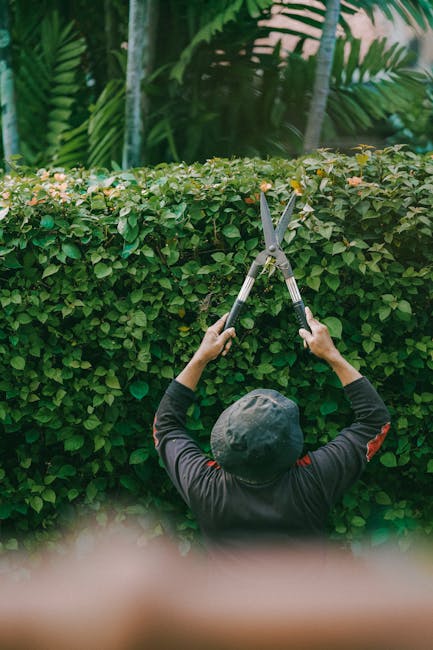
Hedges are much cheaper to manage when trimmed in small amounts rather than hacked back all at once. Light, regular cutting helps keep shape, density, and boundary control. If your hedge has grown past a manageable size, do not keep trimming it into disappointment. At that point, a professional hedge trimming visit may be better value than buying gear and spending half a day up a step ladder.
7. Prune with intention
Pruning is not about cutting everything back because it looks untidy. Remove dead, damaged, crossing, or overcrowded growth. Keep the plant's shape in mind. If you are unsure, do less rather than more. The cheapest mistake is often the one you avoid.
8. Feed or mulch only where it matters
If your budget is tight, do not scatter products everywhere. Use compost, bark, or mulch around plants that need help retaining moisture or suppressing weeds. Thin soil and dry borders can benefit the most. The point is to put resources where they have an obvious payoff.
9. Maintain paths, fences, and outdoor structures
Small fixes on hard surfaces prevent bigger problems. A loose board, slippery step, or blocked corner can spoil the whole garden. If you have timber features, regular attention to the edges and fixings helps you avoid bigger repair bills later. For more substantial outdoor work, you may want to look at decking services or broader landscaping support if the space is becoming less practical than it should be.
Expert Tips for Better Results
Budget gardening is really about timing and restraint. That's the bit most people miss. Here are the tips that tend to save the most money in real life.
- Do small jobs before they become medium jobs. Tiny weeds are cheaper than mature weeds.
- Keep tools simple. A sharp pair of secateurs, a hand trowel, a rake, and a mower often cover most needs.
- Work from the outside in. Edges, paths, and visible borders create the strongest visual improvement fast.
- Reuse organic waste where appropriate. Healthy cuttings can become mulch or compost if managed properly.
- Avoid "one big tidy-up" thinking. It feels efficient, but it often leads to wasted effort and rushed decisions.
A practical observation from day-to-day garden care: if you can keep the first ten minutes of maintenance easy, you are more likely to do it again next week. So store the tools somewhere obvious, not buried behind old plant pots and a forgotten watering can.
Another useful habit is to set one fixed day for light maintenance. Saturday morning, or early evening on a weekday, whatever works. A short recurring routine is far more effective than waiting for a free day that never quite arrives.
Common Mistakes to Avoid
Small budgets can tempt people into false economy. Some choices look cheap today but become annoying, expensive, or even unsafe later.
- Cutting too much at once: Hard pruning can stress plants and create extra recovery work.
- Ignoring drainage or damp patches: Water issues do not sort themselves out. Sadly.
- Buying tools before understanding the job: A lot of equipment ends up underused.
- Letting hedges and borders run wild: Overgrowth always takes longer to fix than to prevent.
- Skipping safety: Loose gloves, poor footing, and unstable ladders are not worth the risk.
- Trying to do specialist work casually: Large branches and awkward access need proper judgement.
One more common mistake: spending the whole budget on a cosmetic refresh while leaving the underlying maintenance untouched. A garden can look better for a week and then slide straight back. Better to create a steady base first.
Tools, Resources and Recommendations
You do not need a shed full of expensive kit to look after a modest garden. In fact, too many tools can become clutter. A compact, practical set usually works best.
| Tool or item | Why it helps | Budget-friendly tip |
|---|---|---|
| Secateurs | For small pruning and deadheading | Choose a comfortable pair and keep them clean |
| Hand trowel | Good for weeding and planting | One solid tool is better than three flimsy ones |
| Rake | Clears leaves and loose debris | Useful across most seasons |
| Mower | Keeps lawns neat and usable | Service or sharpen it before replacing it |
| Gloves | Basic hand protection | Choose grip and durability over fashion |
| Wheelbarrow or trug | Moves waste, compost, or cuttings | Handy if your garden is narrow or awkward |
If you are comparing service levels or trying to understand what you can reasonably outsource, services overview and pricing and quotes are useful pages to review. They can help you think in terms of priorities rather than just total cost. That bit matters more than most people expect.
For green waste and leftover cuttings, think carefully about reuse and disposal. The page on recycling and sustainability is a good reminder that tidy garden care does not have to create unnecessary waste.
Law, Compliance, Standards, or Best Practice
For domestic garden maintenance, the main concern is not paperwork but safe, responsible practice. If you are doing the work yourself, basic caution goes a long way. Use tools properly, keep pathways clear, and do not take on risky cutting jobs if you are not set up for them.
If you hire help, sensible expectations matter. A reputable provider should be clear about what is included, how access will work, what happens with waste, and whether the job involves any hazards. You should also expect appropriate care around property, neighbours, and shared boundaries. That is simply good practice.
Where there are safety or insurance considerations, it is reasonable to ask questions before work starts. The pages on insurance and safety and health and safety policy are useful reference points if you want to understand the standards a professional outfit should be thinking about. Likewise, if you are ever unhappy about service issues, the complaints procedure page shows that there should be a proper route for raising concerns.
For anyone handling personal information, bookings, or payments online, privacy and security also matter. It is sensible to read the privacy policy, payment and security, and terms and conditions pages before confirming any work. It sounds boring. It is boring. Still worth it.
Options, Methods, or Comparison Table
There is no single right way to maintain a small garden on a budget. The best option depends on time, physical effort, and how much the garden has got away from you.
| Approach | Best for | Strengths | Limitations |
|---|---|---|---|
| DIY light maintenance | Small, accessible gardens | Lowest cash outlay, flexible timing | Needs time, energy, and some basic tools |
| Occasional professional tidy-up | People who can maintain in between visits | Good reset without ongoing high cost | Still requires some self-care between visits |
| Targeted specialist tasks | Hedges, trees, awkward cuts, or clearance | Safer and more efficient for tricky work | Costlier than DIY for simple jobs |
| Full garden refresh | Severely neglected or impractical spaces | Can transform a tired garden | Usually not the best fit for a tight budget |
For most HA3 households, a mixed approach works best: DIY for routine jobs, professional support for the hard or messy bits, and occasional improvements when the budget allows. Simple, really. The garden does not care about your ideal plan; it responds to what gets done consistently.
Case Study or Real-World Example
Here is a realistic example. A small rear garden in Kenton had a patchy lawn, a hedge that had spread outward, weeds in the paving, and a border full of tired growth. The owners did not want a redesign. They just wanted it to stop feeling chaotic.
The first step was to clear debris and cut back the obvious overgrowth. Then the lawn was mown, edges were cleaned up, and weeds were removed from the paving joints. The hedge was reduced carefully rather than hacked down. The borders were left simple, with only the most useful plants kept in place. Nothing fancy. No grand plans. Just order.
The result was not a "new garden" in the dramatic sense. It was better than that. It became a usable garden again. More light reached the back corner, the path felt safer, and the space looked much larger. The owners could then keep on top of it with light maintenance, which is the real win on a small budget.
That is often the right outcome. Not perfection. Just relief.
Practical Checklist
Use this checklist for a low-budget garden maintenance session in HA3 Kenton.
- Walk the garden and note problem areas before starting
- Remove litter, fallen branches, and dead plant material
- Mow the lawn if conditions are suitable
- Trim edges and tidy borders
- Weed paths, paving, and beds
- Cut back hedge growth carefully
- Prune only dead, damaged, or overcrowded growth
- Check for slippery surfaces, trip hazards, or loose boards
- Reuse healthy organic waste where possible
- Note any jobs that need a professional later
Expert summary: If you want to keep garden maintenance affordable, focus on consistency over intensity. Small, regular actions beat one expensive rescue job nearly every time.
For more about the company background and approach, you can also visit the about us page. If you are ready to talk through a job, use contact us to get started in a straightforward way.
Get a free quote today and see how much you can save.
Conclusion
A small-budget garden maintenance plan for HA3 Kenton does not need to be complicated. It needs to be steady, realistic, and honest about priorities. Start with the jobs that protect the garden from getting worse. Keep the visible areas tidy. Skip the expensive extras until the basics are under control. And do not feel bad if you need help with the awkward bits; that is just practical judgement, not failure.
When you keep on top of the simple things, the garden gives something back. It feels calmer. Friendlier. Less of a chore. And that matters on a weekday evening when you glance out at the window and realise, to your surprise, that it actually looks decent.
That little bit of calm is worth a lot.
Frequently Asked Questions
How often should I maintain a small garden on a budget?
For most small gardens, a light weekly or fortnightly routine works well. Mow, weed, and tidy before problems build up. A little often is much cheaper than a big rescue job later.
What is the cheapest way to keep a garden tidy in Kenton?
The cheapest approach is usually regular DIY maintenance: mowing, edging, pulling weeds early, and removing debris. If you stay on top of those basics, you avoid the higher cost of overgrowth and clearance work.
Should I buy tools or pay for occasional help?
If the garden is small and you can physically manage the work, buying a few basic tools can be worthwhile. If the garden has hedges, heavy waste, or awkward access, occasional professional help can actually be better value.
Is hedge trimming worth paying for on a small budget?
It can be, especially if the hedge is tall, wide, or difficult to reach safely. Light hedges are manageable DIY jobs, but once the work becomes awkward, professional trimming may save time and avoid mistakes.
What should I do first if my garden has been neglected?
Start with clearance. Remove rubbish, dead growth, and obvious hazards first. Once you can see the garden properly, the rest of the work becomes easier to plan and cheaper to complete.
Can I improve the look of my garden without planting anything new?
Yes. Mowing, edging, pruning, and weeding can transform the look of a garden without spending on plants. Clean lines and clear surfaces make a huge difference, especially in smaller spaces.
How do I avoid overpaying for garden maintenance?
Ask what is included, focus on the jobs that matter most, and avoid paying for cosmetic work before the basic maintenance is under control. Comparing options through pricing and quotes is a sensible place to start.
What if my garden needs more than simple upkeep?
If the garden has serious overgrowth, damaged features, or unusable areas, a staged approach is usually best. Clearance, then maintenance, then any improvements. Trying to do everything in one go can be costly and a bit overwhelming.
Are there any safety issues I should think about?
Yes. Watch for uneven ground, slippery paths, unstable branches, and awkward ladder work. If a task feels risky, it probably is. That is usually the point where professional support makes sense.
How do I keep waste down while maintaining the garden?
Reuse healthy cuttings as mulch or compost where suitable, and avoid buying disposable or unnecessary materials. The recycling and sustainability page is a useful reminder that tidy work and sensible waste handling can go together.
Is this guide useful for landlords or rental properties?
Yes. Rental gardens often need simple, consistent upkeep rather than expensive changes. Keeping lawns cut, hedges tidy, and access clear helps protect the property's appearance and makes inspections less stressful.
When should I ask for a quote rather than DIY?
If the job involves heavy lifting, tall hedges, tree work, or a large amount of waste, it is usually time to ask for a quote. You may find that professional help is less expensive than buying tools, renting equipment, and spending your own weekend on it.